




Recording device hidden in toilet paper found in top-secret OpenAI meeting room

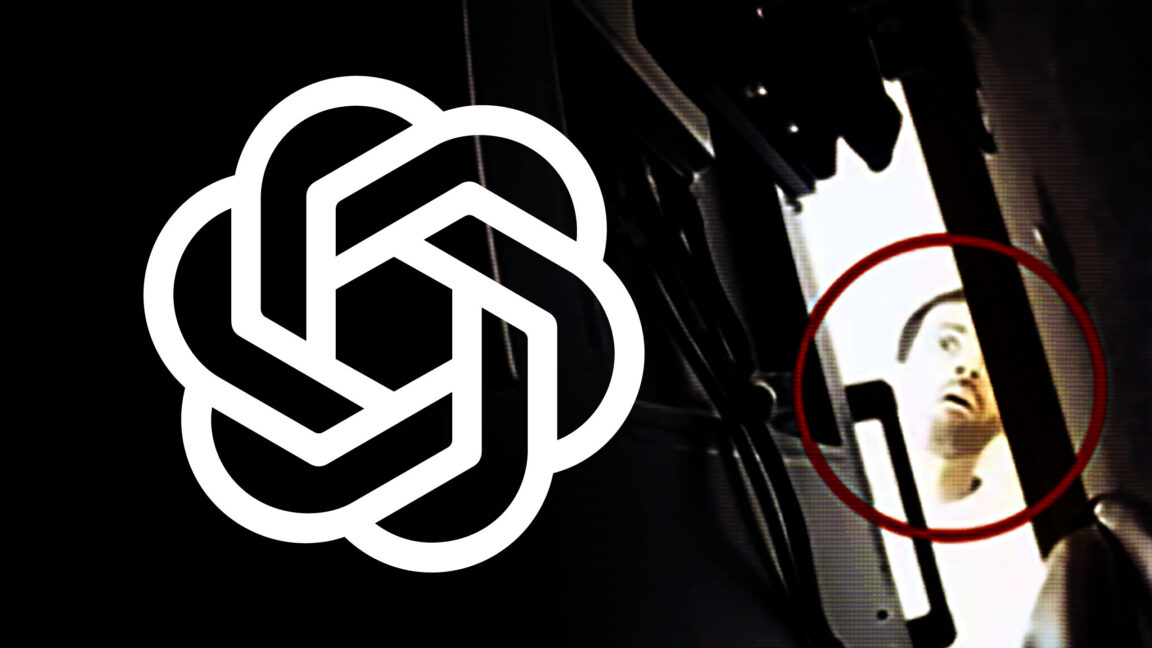
Citing a Trump memo ordering coordinated efforts to maintain America’s AI advantage, FBI Director Kash Patel celebrated Alfozan’s arrest and vowed to continue policing efforts to spy on frontier labs like OpenAI.
It’s “essential to safeguarding our nation’s economic strength and national security, and the FBI views that mission as one of our highest counterintelligence priorities,” Patel said.
Catching an accused AI spy
OpenAI hired Alfozan in July 2025, but the record suggests that he started acting suspiciously in the past few months.
In August, Alfozan allegedly used an OpenAI productivity agent to figure out where and when sensitive meetings were held, a recently unsealed affidavit submitted by FBI special agent Lydia Liang said.
Liang is a data analyst who joined the FBI after working for various tech companies. She analyzed the recording device that OpenAI found, which she said was a Chinese-made Seeed XIAO ESP32-S3 Sense.
According to Liang, the Seeed device “had been customized to obfuscate anything stored on the device, such as potentially intercepted audio communications.” And the microSD card had “a layout consistent with a potentially encrypted file system.”
In addition to reviewing Alfozan’s queries to OpenAI’s productivity agent, the FBI also reviewed an AI chatbot account associated with his spouse. Those logs showed user prompts referencing the Seeed device’s unique MAC address, the FBI said, while researching how to continuously record on that device, set up speech-triggered recording, and encrypt an SD card, among other queries.
“These written prompts attributable to Alfozan and/or his spouse, indicate that Alfozan inserted Recording Device 1 into the television in Conference Room 1 and was interested in building, customizing, installing, audio recording, testing, obfuscating, and remote accessing, among other things, a surreptitious audio listening and recording device,” Liang said.