



XPENG IRON humanoid robot draws record physical AI funding

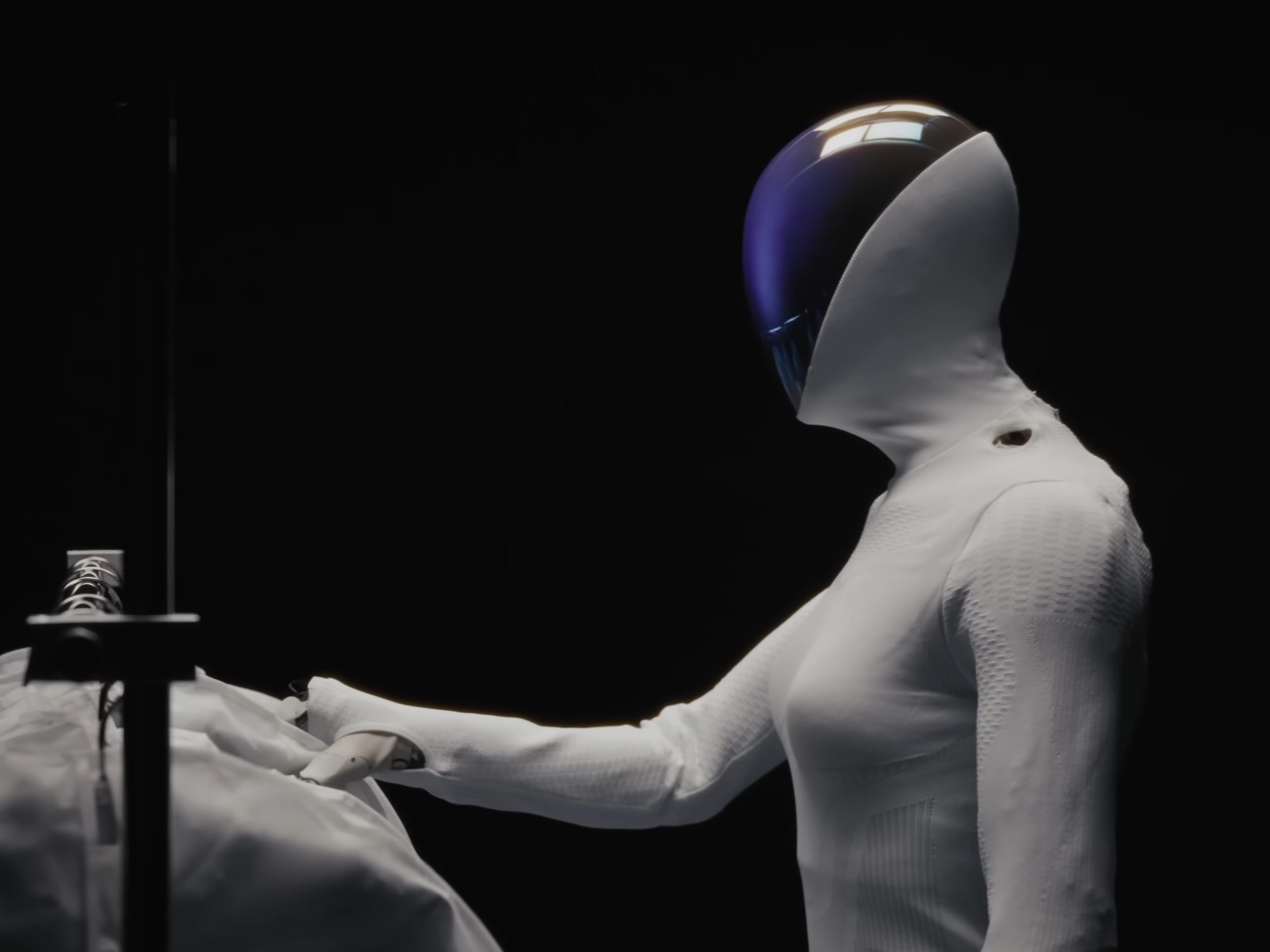
XPENG’s physical AI unit has secured over $900 million at a $6.3 billion valuation to scale its IRON humanoid robot platform.
The Chinese electric vehicle maker announced the funding round for its robotics business through a set of share purchase agreements with multiple investors. XPENG says the deal represents the largest single-round private capital raise in China’s physical AI industry to date, based on both the amount raised and the resulting valuation.
He Xiaopeng, Chairman and CEO of XPENG, said: “Over the past 12 years, XPENG has remained committed to full-stack in-house R&D, building a solid technological foundation for the physical AI era—across our physical world foundation model, Turing AI chips, and AI infrastructure.
“This has enabled us to pioneer a new phase of mass production and commercial deployment for advanced humanoid robots.”
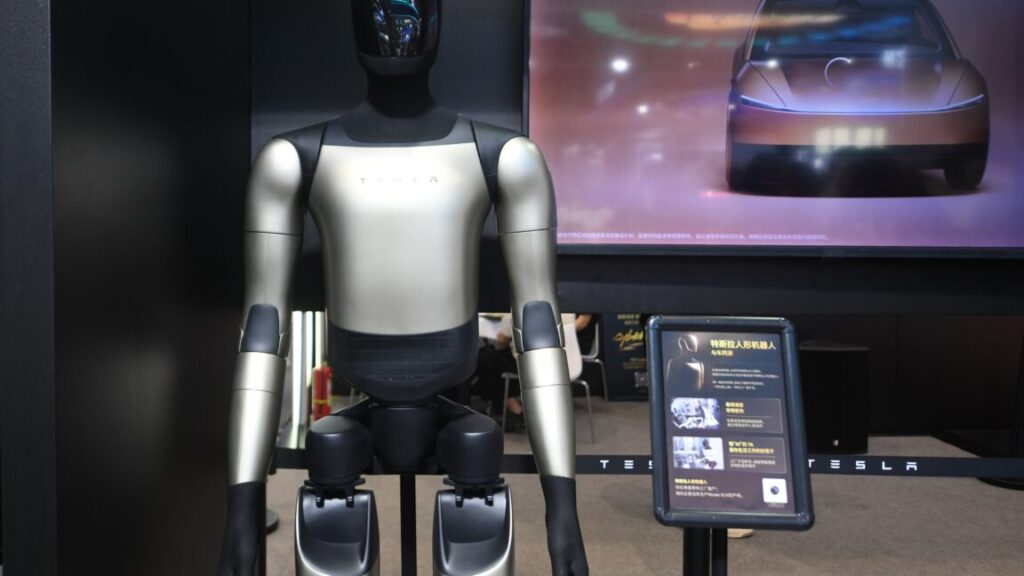
However, Xpeng’s shares are down 7.22 percent at the time of writing, and the 12-month decline stands at 51.24 percent. XPENG’s core vehicle business faces intensifying competition inside China from domestic manufacturers, and from Tesla in both overseas and domestic markets. Investors are pricing the robotics division at $6.3 billion while the parent company’s shares keep falling.
IDG Capital leads the round, Tencent and Alibaba join as backers
IDG Capital led the financing round, with Gaorong Ventures also participating as an investor. Tencent and Alibaba joined as strategic investors. XPENG will keep controlling ownership of the robotics business once the round closes, and the unit will remain consolidated into the group’s financial statements.
XPENG said the capital will fund long-term investment in what it terms full-stack physical AI development. The company also plans to use the raise to strengthen incentive arrangements for senior executives and other staff working on robotics.
According to XPENG, the money will support software and hardware R&D for the unit, plus training and iteration of its physical AI models. Further funds are earmarked for high-quality data generation and for building end-to-end mass production facilities. XPENG also intends to put some of the capital toward commercial expansion outside China.
Inside IRON, XPENG’s humanoid robot platform
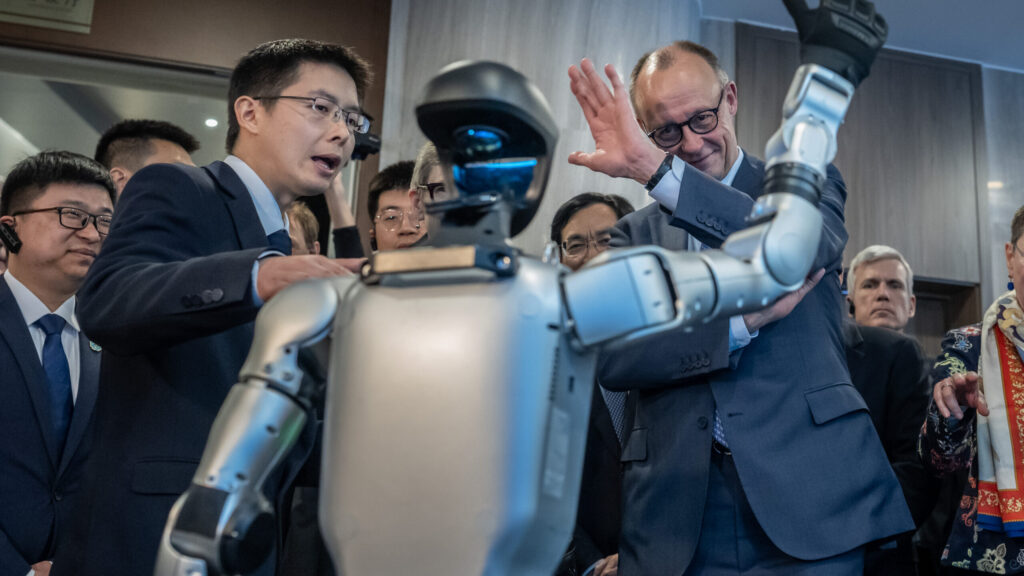
IRON is at the centre of XPENG’s physical AI strategy. The humanoid robot uses a fully-enclosed flexible lattice structure that XPENG designed in-house to balance appearance with safety. IRON has 76 degrees of freedom across its body and 21 in each hand, which XPENG presents as evidence of its robot’s high dexterity and mobility.
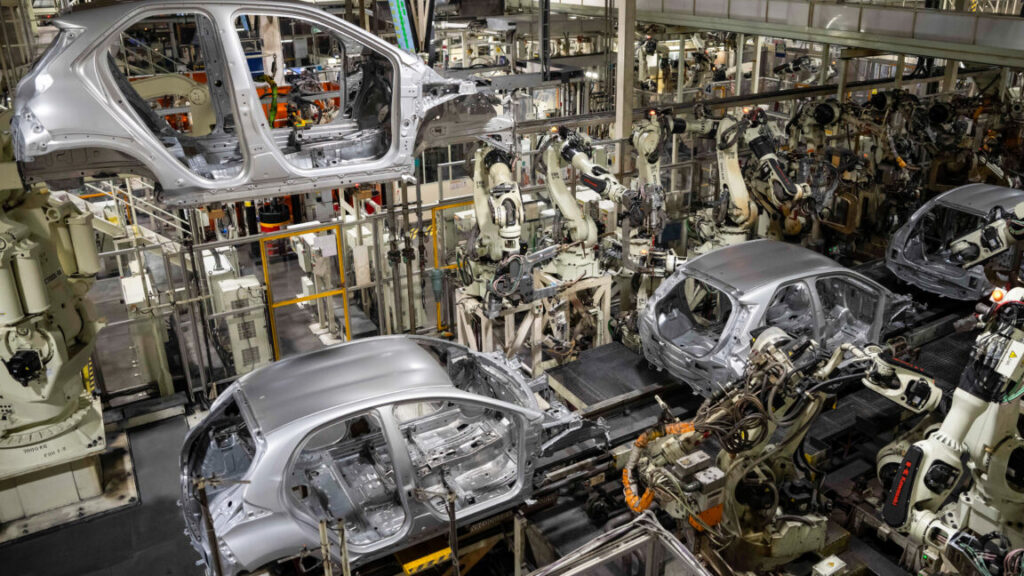
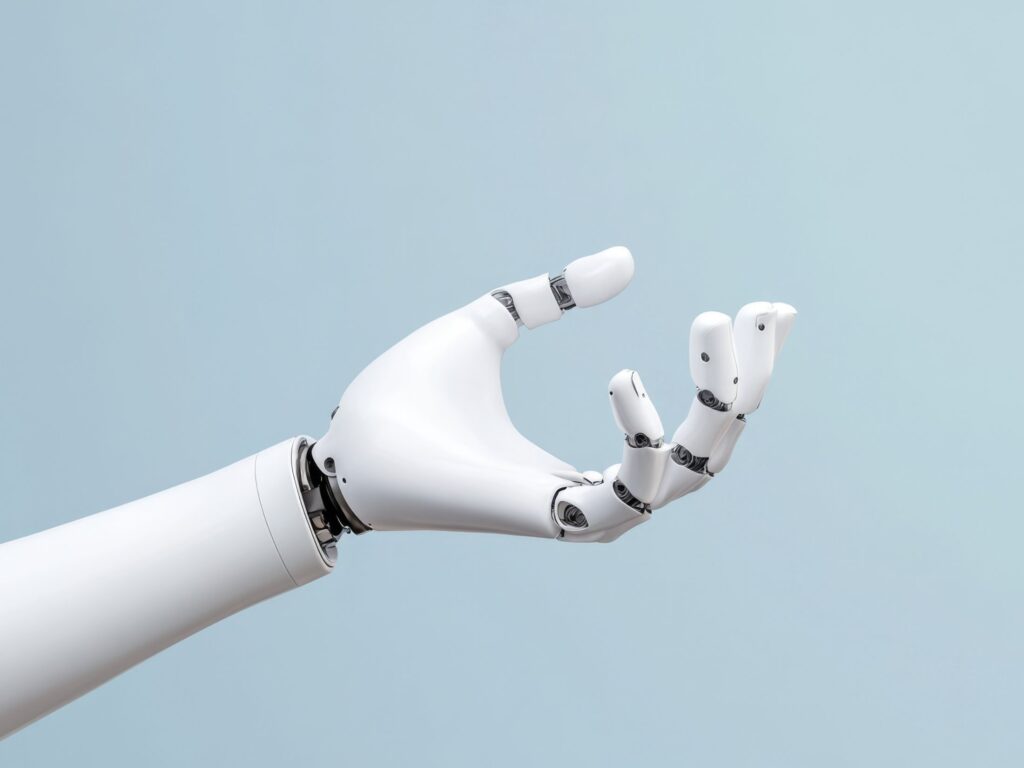
XPENG built the robot’s hardware platform itself, including the chips and controllers that drive the robot’s core movement systems. Separate motion modules and dexterous hand mechanisms handle finer manipulation tasks. The company is applying quality standards and production processes developed for its electric vehicles to robot manufacturing, aiming for automotive-scale output and delivery volumes.
On compute, XPENG puts IRON’s combined output at up to 2,250 TOPS of effective computing power, delivered across three in-house-designed Turing AI chips. That on-board processing lets XPENG run its physical AI foundation model directly on the robot. IRON can then carry out complex tasks with low inference latency and with data processed locally on the device.
XPENG argues that IRON’s human-like hardware gives it an advantage in collecting behavioural data from everyday human activity, and in adapting to environments and tools built for people. As IRON reaches mass production, the company expects what it calls a data-model-application flywheel to take hold, accelerating the robot’s ability to learn and take on new tasks.
IRON is expected to enter mass production by the end of 2026. Initial deployment will happen inside the company’s own stores and campuses before any wider rollout. XPENG plans to begin deliveries to customers in China and overseas markets during 2027.
Investors point to XPENG’s physical AI manufacturing scale
IDG Capital said the physical AI industry is moving “from technical breakthroughs to scalable manufacturing and commercial deployment,” a shift it argues plays to XPENG’s strengths. The firm pointed to XPENG’s combination of edge AI processors, physical AI foundation models, and complete robotic systems, and to the technology links between the robotics unit and XPENG’s electric vehicle and autonomous driving businesses.
Gaorong Ventures added that humanoid robots are “moving beyond demonstrations of mobility and dexterity toward reliable mass production and tangible value creation in real-world settings.” The firm highlights XPENG’s automotive-grade safety and quality standards as evidence the robot is built for commercial deployment and credited XPENG’s decade-plus of supply chain and manufacturing experience in the EV sector.
He Xiaopeng commented: “I believe the strong capital backing from leading global and strategic investors provides the resources needed to accelerate the growth of our robotics business, while strengthening our ability to attract more world-class physical AI talent.
“IRON brings together a highly human-like design, advanced AI intelligence, built to the highest standards of safety and quality. Our ambition is for IRON to become a trusted partner for people and a meaningful part of everyday work and life.”
Learn more about physical AI during the Physical AI Expo held in Amsterdam, London, and North America.
See also: Amazon’s Prime Air autonomous drones to reach 500 US cities
Want to learn more about AI and big data from industry leaders? Check out AI & Big Data Expo taking place in Amsterdam, California, and London. The comprehensive event is part of TechEx and is co-located with other leading technology events including the Cyber Security & Cloud Expo. Click here for more information.
AI News is powered by TechForge Media. Explore other upcoming enterprise technology events and webinars here.